New
How to soundproof an office?

Professional Guide to Office Soundproofing and Acoustic Optimization
Office acoustic performance directly impacts workplace productivity, speech privacy and employee comfort. Different from general household sound insulation, office soundproofing focuses on solving airborne noise (human conversation, phone calls, equipment operation) and impact noise (footsteps, dragging furniture, mechanical vibration), while controlling indoor reverberation to avoid secondary noise pollution. Scientific office soundproofing follows the core acoustic principle ofnoise source control + sound insulation blocking + sound absorption optimization, with standardized material parameters and targeted structural treatment.
1. Core Acoustic Evaluation Indicators
Professional office soundproofing relies on two authoritative indicators to quantify effects, avoiding ineffective decoration:
STC (Sound Transmission Class): Evaluates airborne noise insulation. Private offices require an STC rating above 40 to block conventional speech noise, while open office partitions need STC 30–35 for basic speech privacy.
NRC (Noise Reduction Coefficient): Measures sound absorption capacity. The recommended NRC value for office acoustic materials is ≥0.75, which can effectively reduce indoor reverberation and shorten RT60 reverberation time to the standard 0.6s for commercial offices.
IIC (Impact Insulation Class): Assesses impact noise isolation. Flooring treatment requires IIC ≥50 to suppress floor vibration and walking noise.
2. Key Soundproofing & Acoustic Treatment Measures
2.1 Gap Sealing: Eliminate Sound Leakage Paths
Over 70% of office sound leakage occurs through structural gaps rather than wall panels. All gaps around doors, windows, ventilation ducts, wiring holes and skirting lines must be sealed with permanent acoustic sealant (non-shrinking, elastic). For office doors, install automatic bottom drop seals and multi-layer door frame rubber gaskets; ordinary wooden doors with poor sound insulation can be replaced with solid-core soundproof doors to improve low-frequency noise blocking performance.
2.2 Envelope Sound Insulation: Walls, Ceilings and Floors
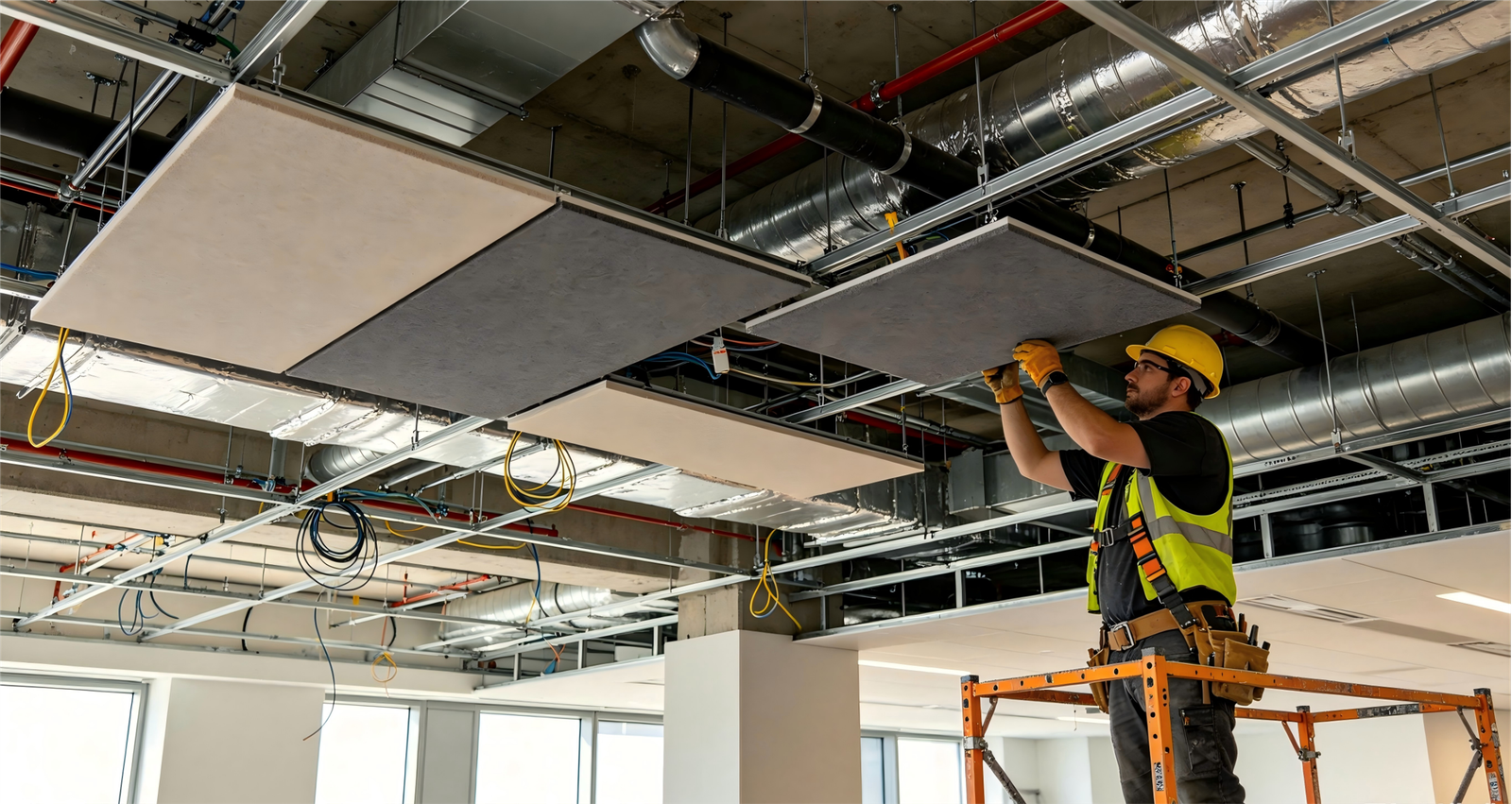
For partition walls with poor sound insulation, add mass-loaded vinyl or double-layer gypsum board with acoustic decoupling structure to isolate sound transmission and avoid rigid bridge vibration conduction. For suspended ceilings (the weakest acoustic link in most offices), lay ceiling tile backers and sound-absorbing baffles to block horizontal sound propagation and absorb upward noise waves.
For floor treatment, replace hard floors with acoustic carpet tiles or lay shock-absorbing floor mats, which can significantly reduce footstep and equipment impact noise. Exterior windows can be upgraded to double-layer insulated soundproof glass to isolate external traffic and construction noise.
2.3 Indoor Sound Absorption: Optimize Reverberation Environment
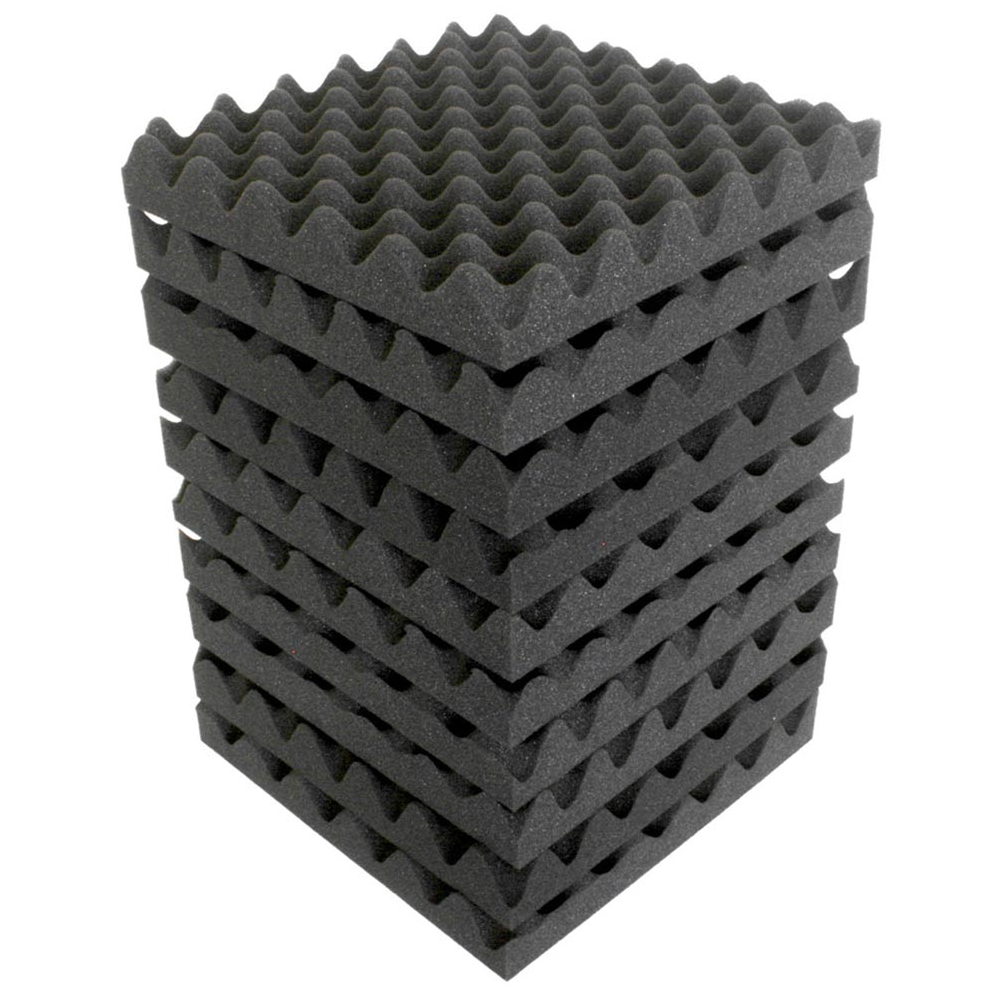
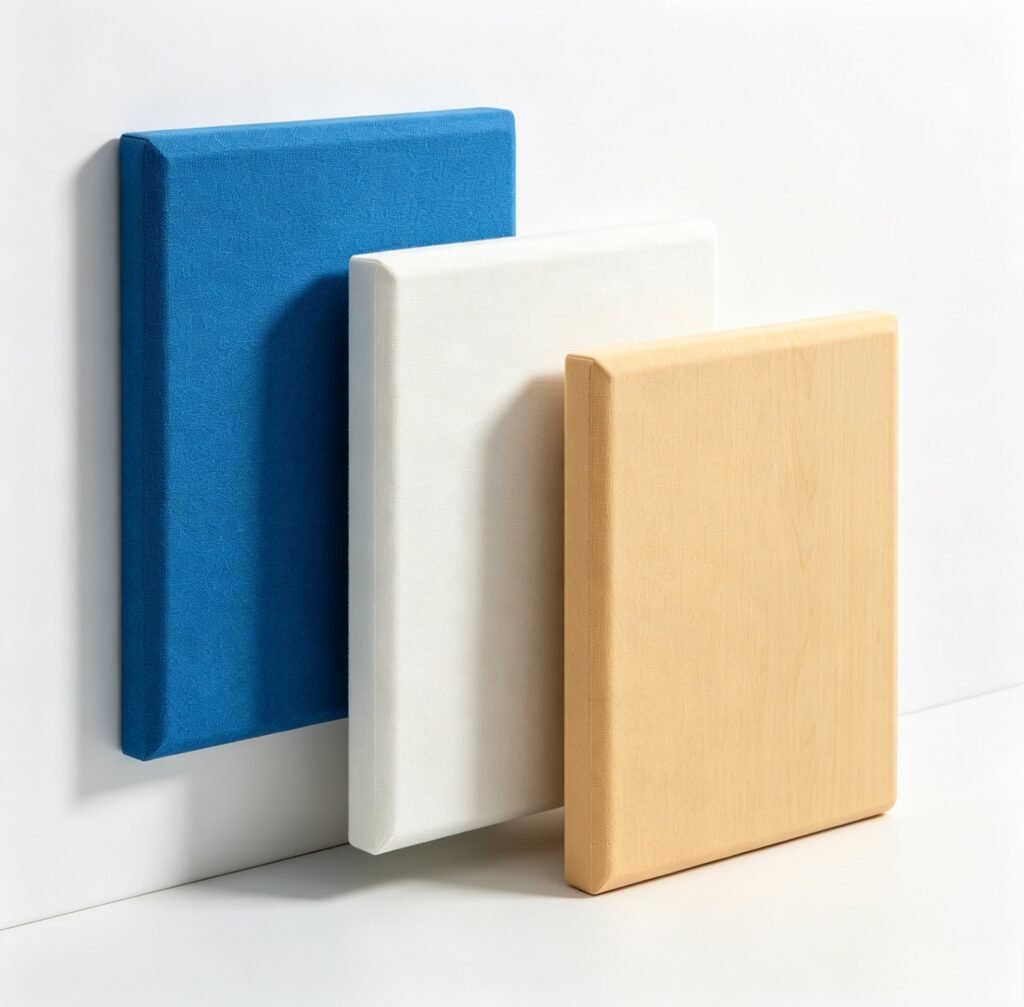
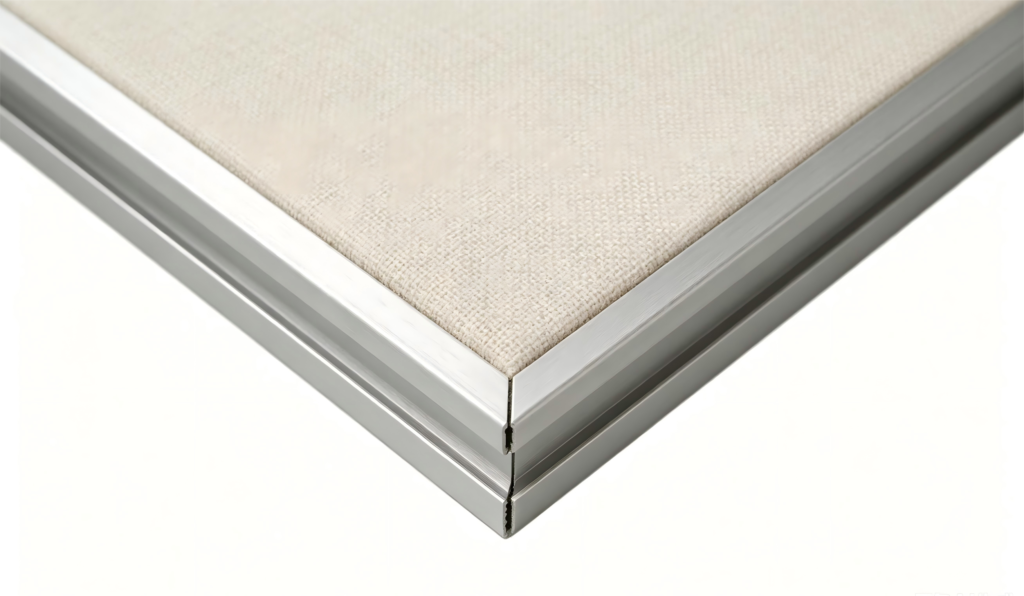
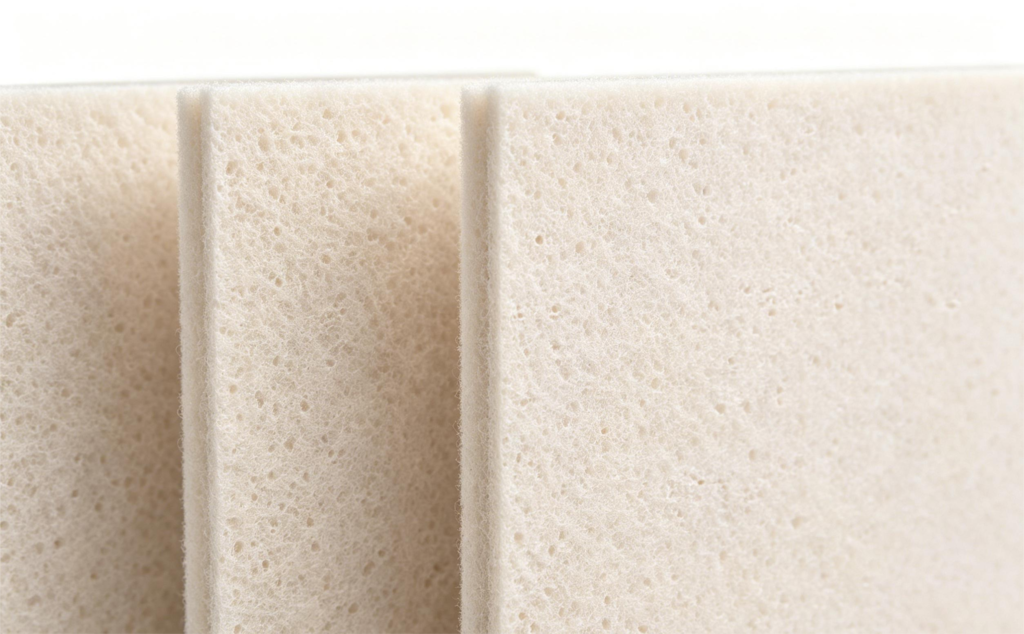
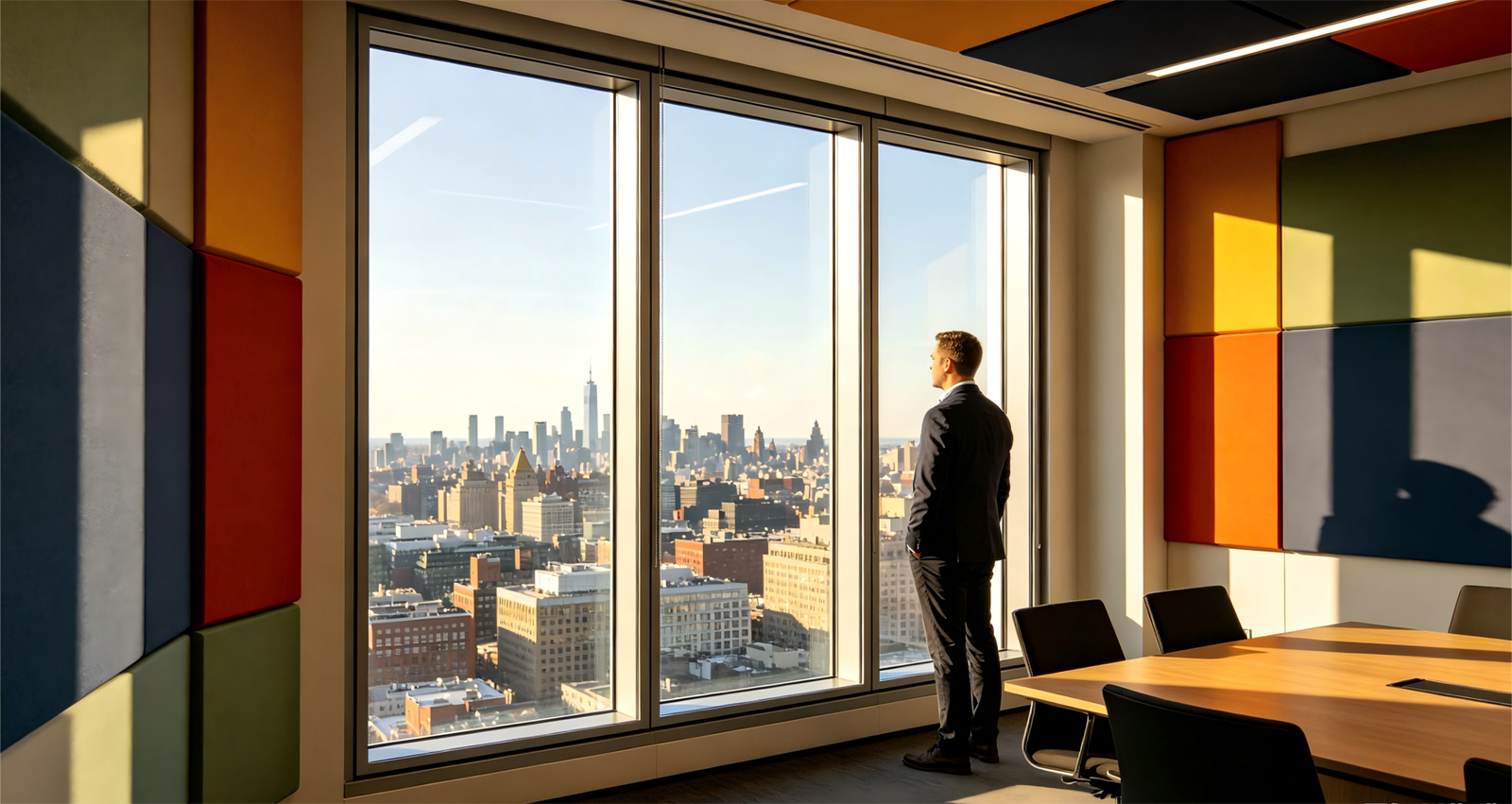
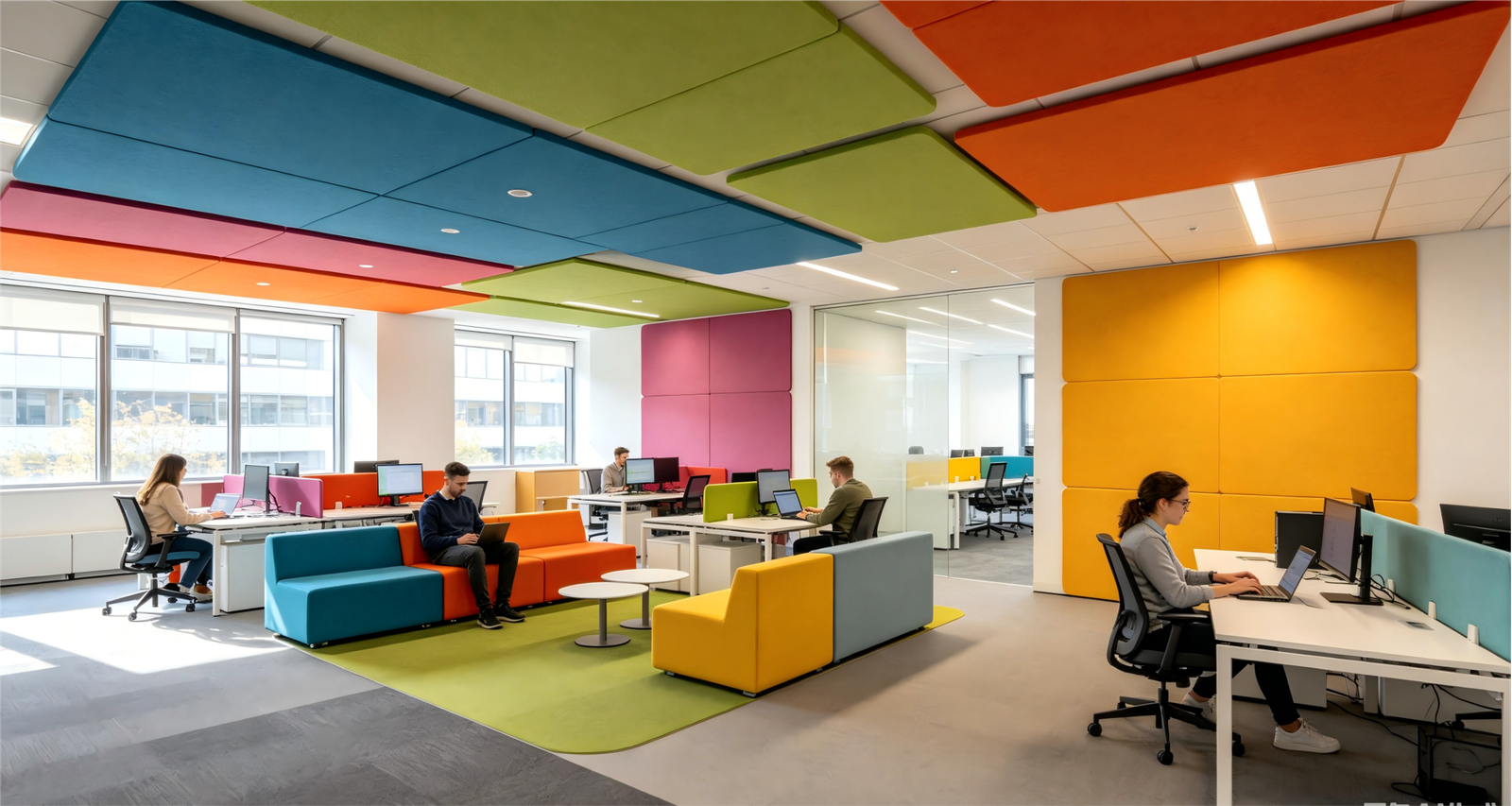
Open-plan offices suffer from excessive reverberation caused by large-area hard walls, glass and ceilings. Install PET acoustic wall panels, suspended ceiling baffles and soundproof curtains on reflective surfaces to absorb mid-to-high frequency noise such as conversation and keyboard tapping. Matching upholstered office furniture and soft decorations can assist in uniform sound absorption, eliminating noisy echoing and blurring sound overlap.
2.4 Auxiliary Optimization: Sound Masking & Layout Adjustment
For open offices that cannot achieve high STC partition, deploy low-decibel sound masking systems. The uniform background white noise can fill sound gaps and improve speech privacy without interfering with work. Reasonably adjust office layout, place high-noise equipment (printers, water dispensers) in independent enclosed areas, and isolate noise sources from working areas.
3. Professional Construction Priority Principle
Office soundproofing follows the seal first, absorb second, block last priority. Gap sealing is the lowest-cost and highest-benefit measure; indoor sound absorption solves reverberation comfort problems; and heavy structural sound insulation is only used for key partition walls with high privacy requirements. Blindly stacking thick decorative materials without sealing gaps will lead to negligible acoustic improvement.
Conclusion
Qualified office soundproofing is a systematic acoustic optimization project rather than simple decoration. By matching STC, NRC and IIC standard materials, targeting sound leakage paths and noise types, and combining structural sound insulation and indoor sound absorption, it can effectively reduce indoor noise by 15–30dB, meet office acoustic standards, and build a quiet, efficient and private working environment.
If you have more question, please feel free to contact with us, Thank You !
Whatsapp/WeChat: +86-13924816467/18819285749
Email: rdsugkf@gmail.com
Company Address: No. 122-1, Guangshao Road, Longtan Jubao Industrial Park, Conghua District, Guangzhou City
how can we help you
You can contact us any way that is convenient for you.
whatsapp:+86-17322789466
email: gsacousticss@gmail.com
New Products