New
What is the best material for sound proofing?
What Is the Best Material for Soundproofing? Professional Material Selection Guide
There is no single “one-size-fits-all” best soundproofing material in acoustic engineering. The optimal solution depends on noise frequency characteristics and acoustic goals: sound insulation (blocking sound transmission) or sound absorption (reducing reverberation). Professional soundproofing relies on a composite material system rather than a single material, following the core law of acoustics: mass, damping, and decoupling.
1. Best Materials for Sound Insulation (Blocking Noise)
Sound insulation targets airborne noise and structural noise, requiring high density and high mass to block sound waves.
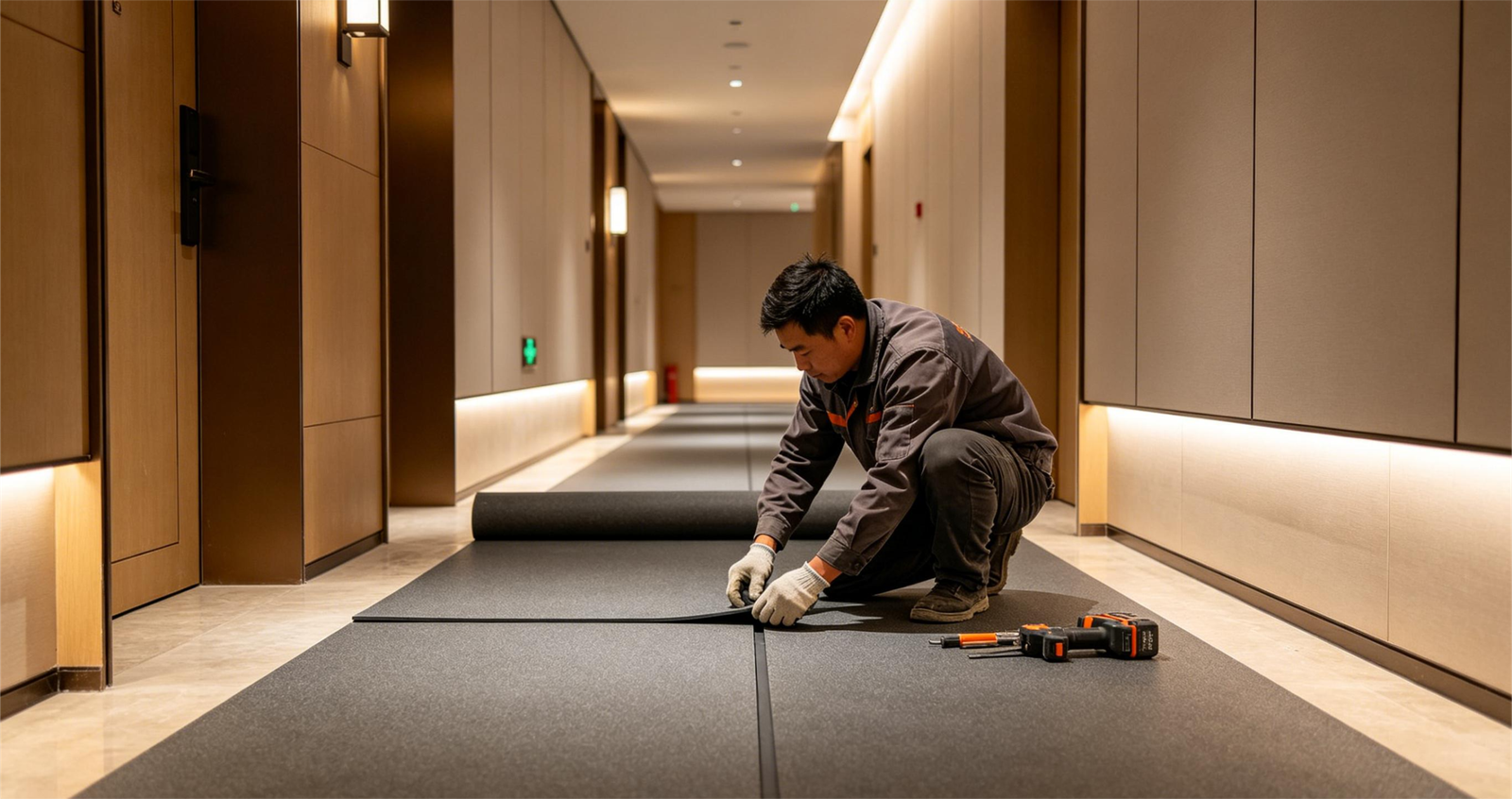
Mass Loaded Vinyl (MLV) is recognized as the best flexible sound insulation material. With high specific gravity and tight molecular structure, it effectively blocks mid and low-frequency noise without increasing excessive wall thickness, ideal for office partitions, walls, ceilings and pipe wrapping.
Double-layer gypsum board + acoustic damping compound serves as the best rigid wall insulation system. The damping layer converts vibration sound energy into heat, eliminating sound bridge resonance and greatly improving STC (Sound Transmission Class) rating.
For structural impact noise, rubber vibration isolators and damping floor mats are the priority materials, which decouple the floor and building structure to cut off vibration transmission.
2. Best Materials for Sound Absorption (Reducing Echo)
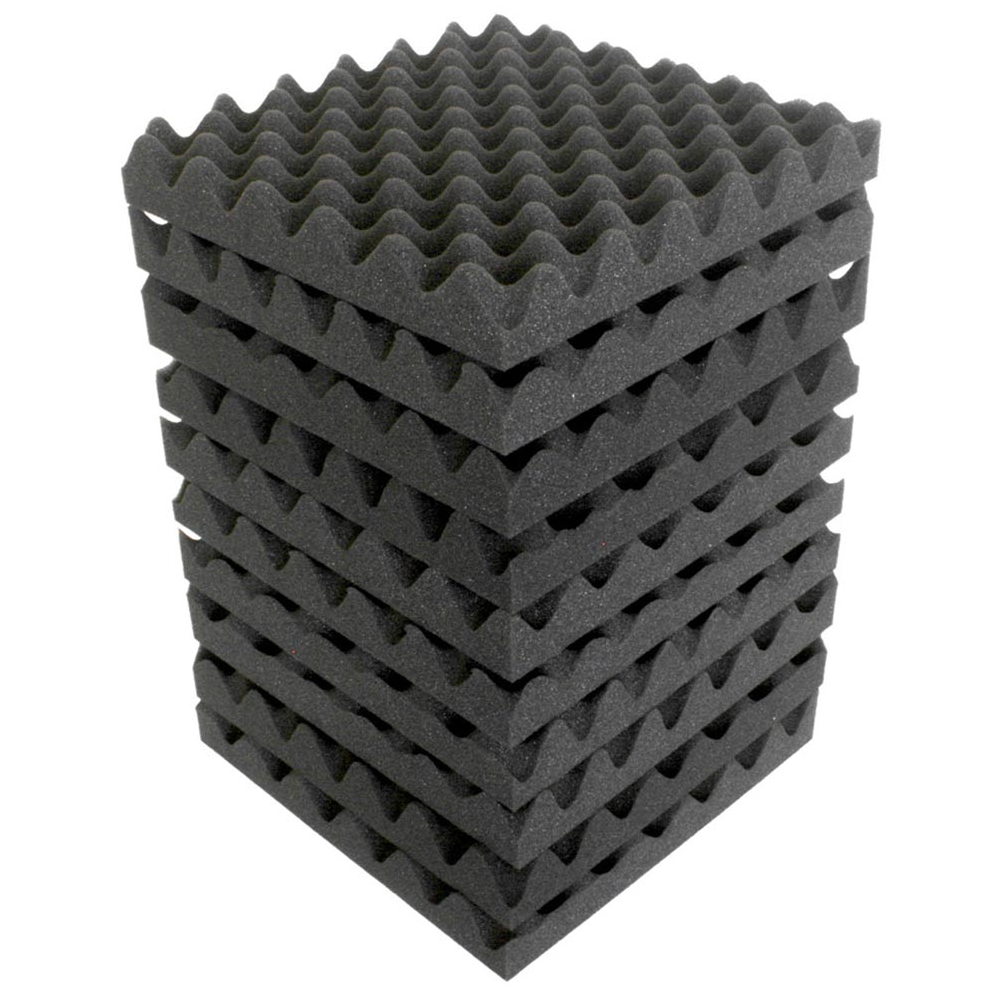
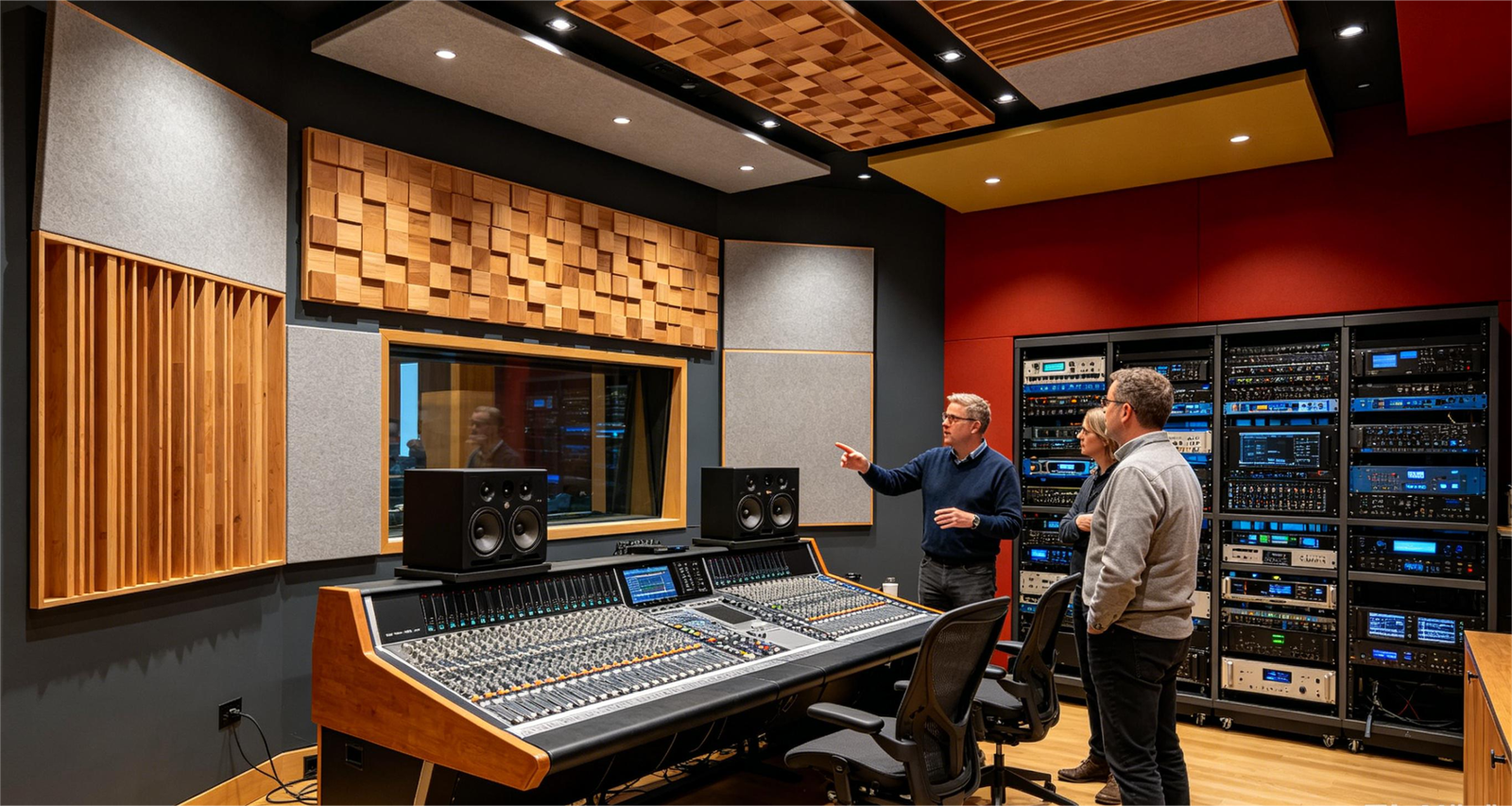
Absorption materials handle indoor reverberation and high-frequency noise, requiring open-pore porous structures.
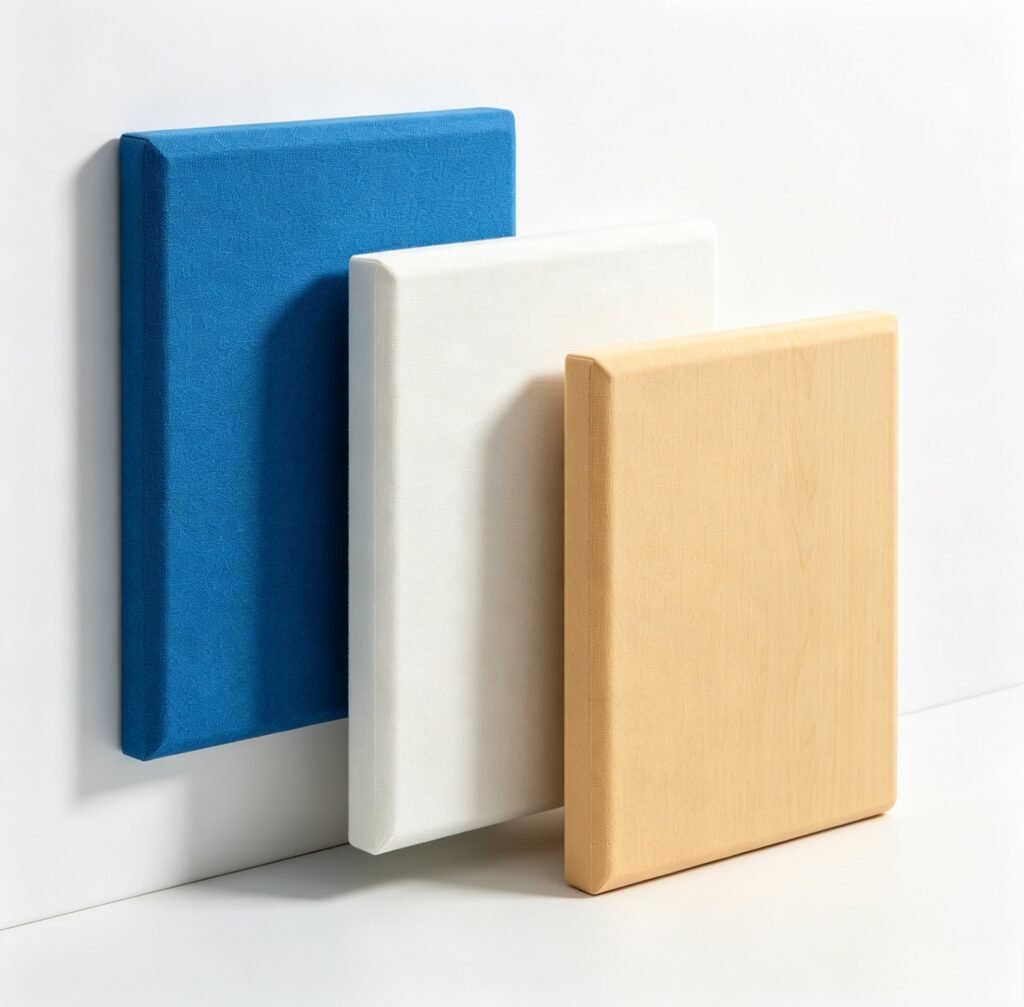
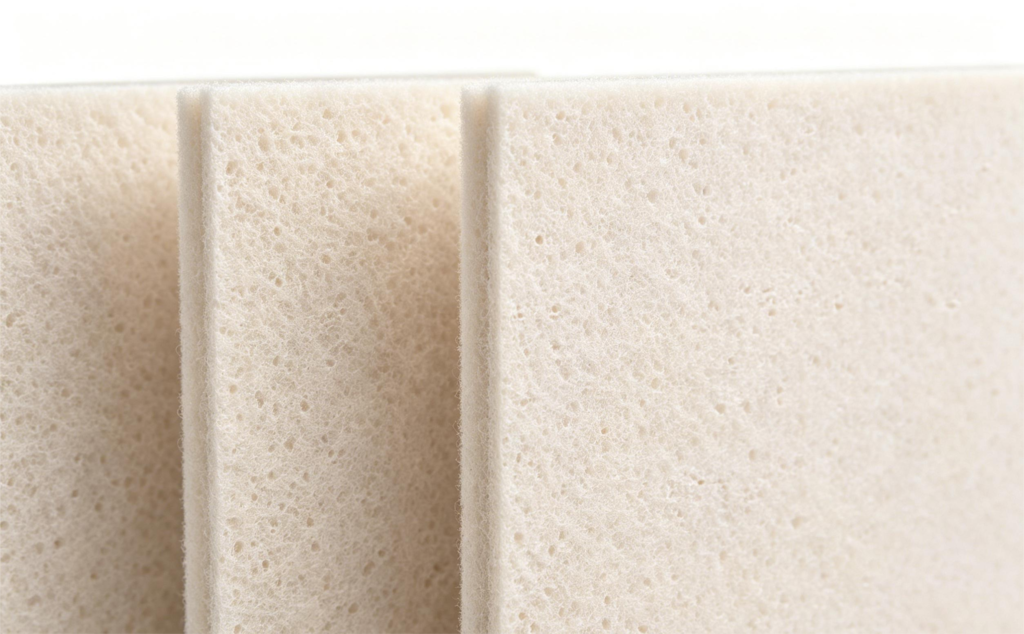
Polyester Fiber (PET) acoustic panels are the best all-round indoor sound absorption materials. They feature high NRC (0.75–0.95), fire resistance, environmental friendliness and stable performance, suitable for offices, meeting rooms and commercial spaces.
Glass wool and rock wool are the most cost-effective filling absorption materials for wall and ceiling cavities, performing excellently in absorbing broadband medium and high-frequency noise.
3. Professional Selection Conclusion
In summary, the “best soundproofing material” follows a clear matching principle: use high-density MLV and damping structures for sound insulation and noise blocking; adopt porous PET and mineral wool for indoor sound absorption and reverberation control. Only the scientific combination of insulation, damping and absorption materials can achieve professional and efficient soundproofing effects.
If you have more question, please feel free to contact with us, Thank You !
Whatsapp/WeChat: +86-13924816467/18819285749
Email: rdsugkf@gmail.com
Company Address: No. 122-1, Guangshao Road, Longtan Jubao Industrial Park, Conghua District, Guangzhou City
how can we help you
You can contact us any way that is convenient for you.
whatsapp:+86-17322789466
email: gsacousticss@gmail.com
New Products