New
Where to put acoustic panels in room?
Where to Put Acoustic Panels in a Room – Professional Acoustic Layout Guide
Full English Professional Article
Acoustic panel placement directly determines acoustic treatment efficiency; improper installation wastes materials while failing to solve reverberation, echo and unclear speech issues. Based on sound reflection law and room modal distribution, targeted layout follows a set of mature engineering rules, applicable to offices, meeting rooms, home theatres, studios and open workspaces.
1. Primary Reflection Points (Most Critical Position)
The first reflection points are the highest-priority installation locations. When sound emits from a sound source, sound waves hit side walls before reaching listeners, generating strong reflected sound that causes speech blurriness.
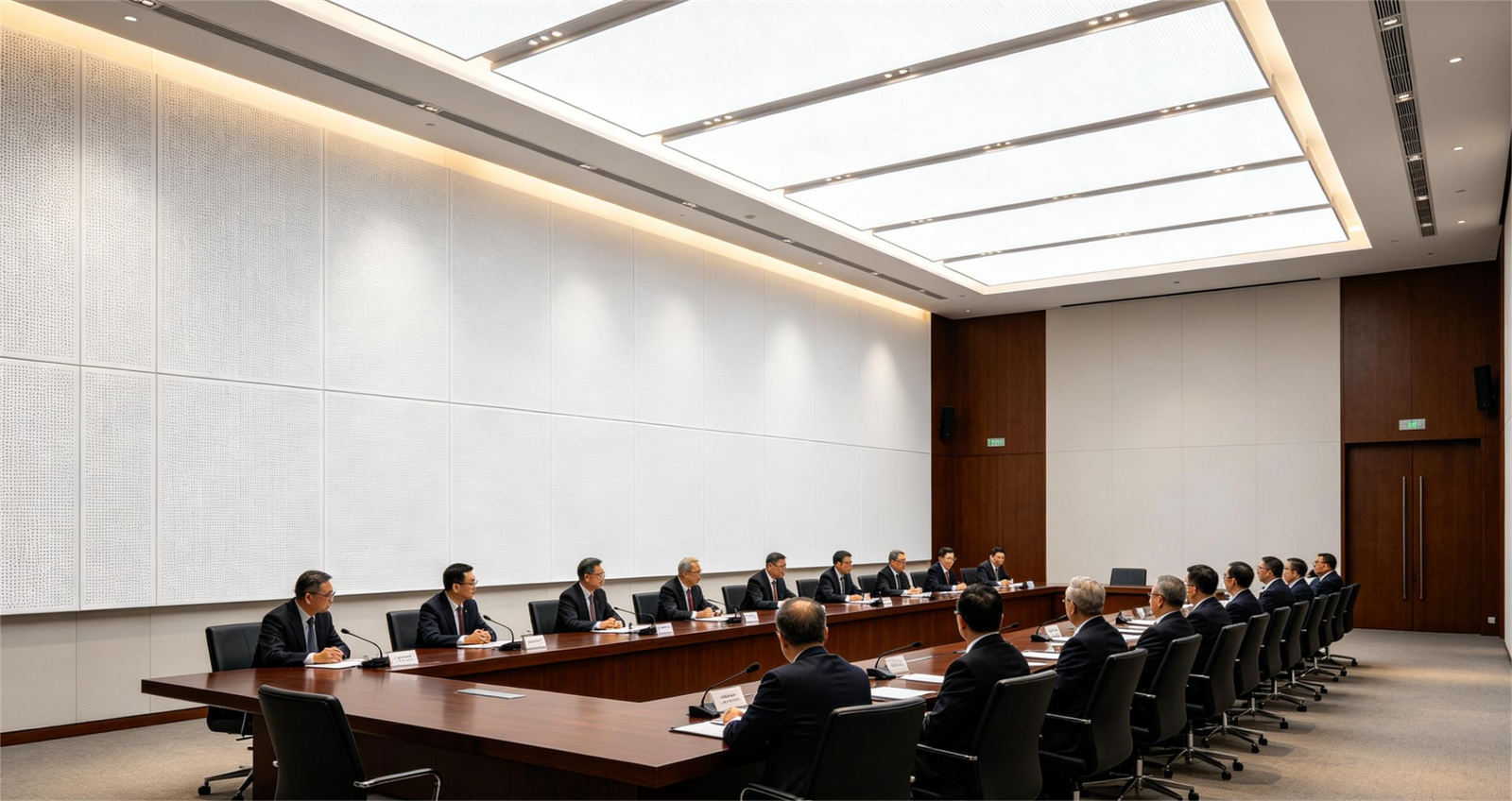
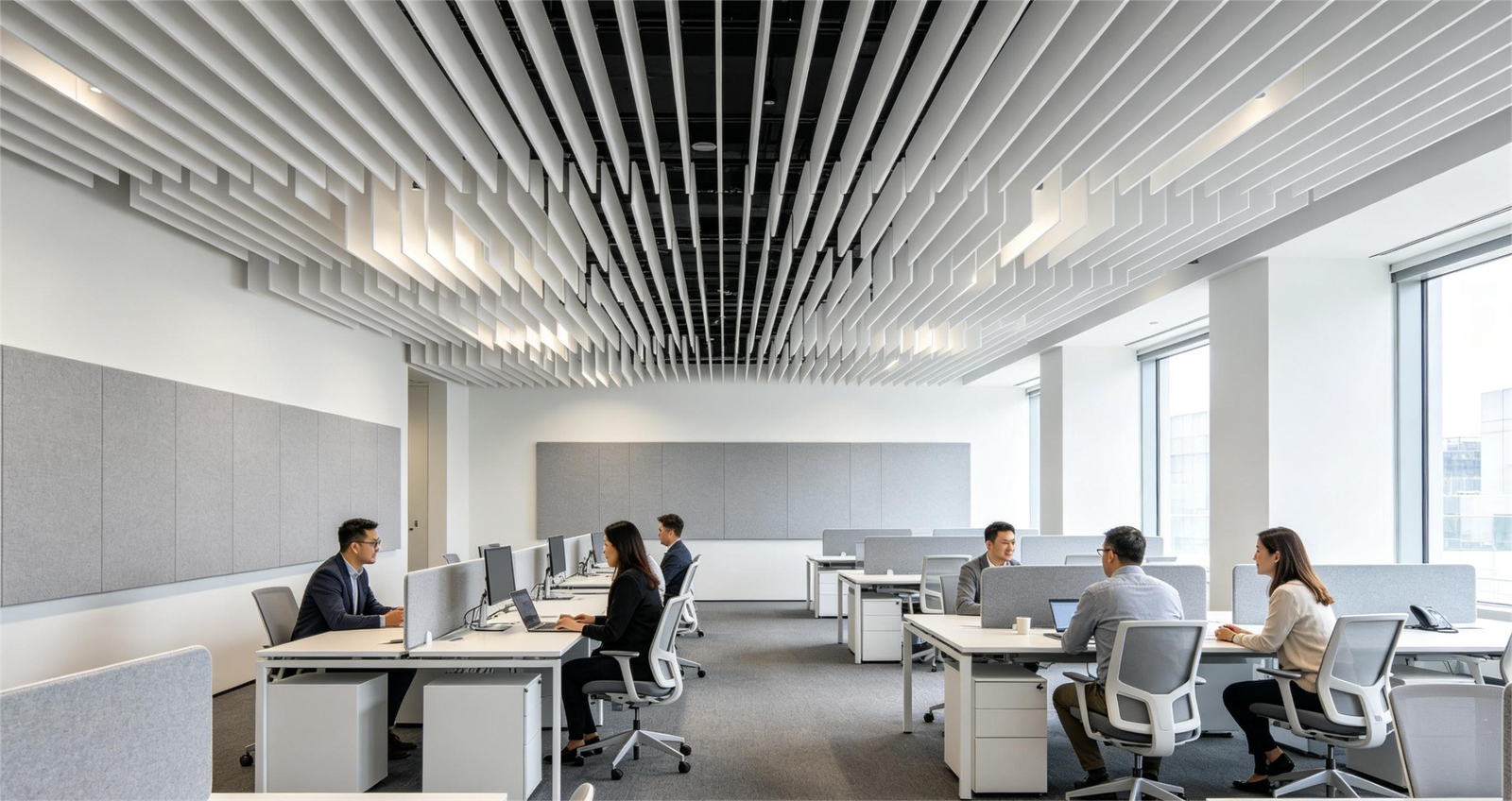
- For meeting rooms and offices: Locate first reflection points on left and right side walls between the speaker position and audience seating area, covering the middle height of wall surface (1.2–1.8 m above floor). Mount acoustic panels here to cut early reflection energy fundamentally.
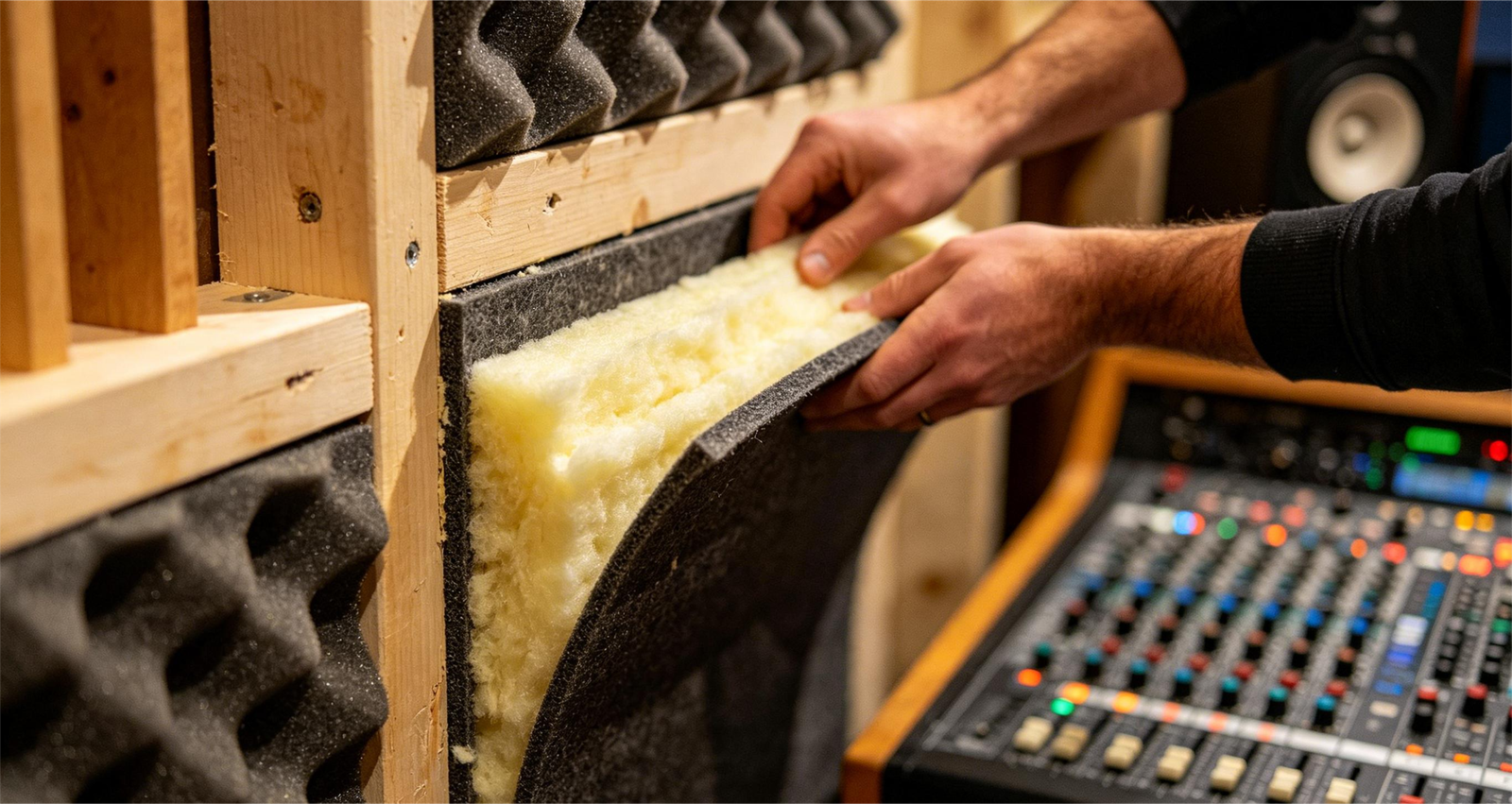
- For home studios: Treat side wall first reflection points between monitor speakers and listening position to reduce comb filtering and improve monitoring accuracy.
2. Wall Opposite Sound Source & Rear Wall
The rear wall facing the sound source produces long-delay reflected waves, the main cause of long reverberation and obvious room echo. Install large-area acoustic panels or suspended baffles on the entire rear wall; for deep rooms, segmented layout avoids standing wave accumulation. The wall directly facing a projector screen in meeting rooms is also a typical high-reflection surface requiring panel arrangement.
3. Ceiling Acoustic Treatment
Ceiling is often overlooked but creates strong vertical sound reflection. For spaces with high reverberation, two solutions are available:
- Mount flat acoustic panels evenly across partial ceiling areas;
- Hang suspended acoustic baffles vertically, widely used in open-plan offices and large conference halls. Avoid full ceiling coverage, which leads to over-absorption and unnatural dry sound.
4. Corner Placement for Low-Frequency Suppression
Room corners form pressure maxima for low-frequency standing waves, resulting in boomy, muddy bass. Bass traps (thick acoustic panels or triangular corner absorbers) installed at vertical wall-wall corners and wall-ceiling corners effectively dissipate low-frequency resonance, balancing full-frequency sound field. Four vertical corners are the standard layout scheme for small and medium-sized rooms.
5. Positions to Avoid Installation
Do not densely cover every wall with acoustic panels. Excessive total absorption leads to overly dry sound, uncomfortable speaking experience and abnormal acoustic balance. Also refrain from covering doors, ventilation outlets, electrical switch panels and fire-fighting facilities to meet functional and fire code requirements.
Conclusion
The scientific layout sequence is: first treat first reflection points → process rear wall reflections → arrange ceiling absorption → add corner bass traps for low-frequency optimization. Matching panel quantity, thickness and installation spacing according to room size and intended use achieves optimal RT60 reverberation control and the best cost-performance acoustic effect.
If you have more question, please feel free to contact with us, Thank You !
Whatsapp/WeChat: +86-13924816467/18819285749
Email: rdsugkf@gmail.com
Company Address: No. 122-1, Guangshao Road, Longtan Jubao Industrial Park, Conghua District, Guangzhou City
how can we help you
You can contact us any way that is convenient for you.
whatsapp:+86-17322789466
email: gsacousticss@gmail.com
New Products