New
How does acoustic panels work?
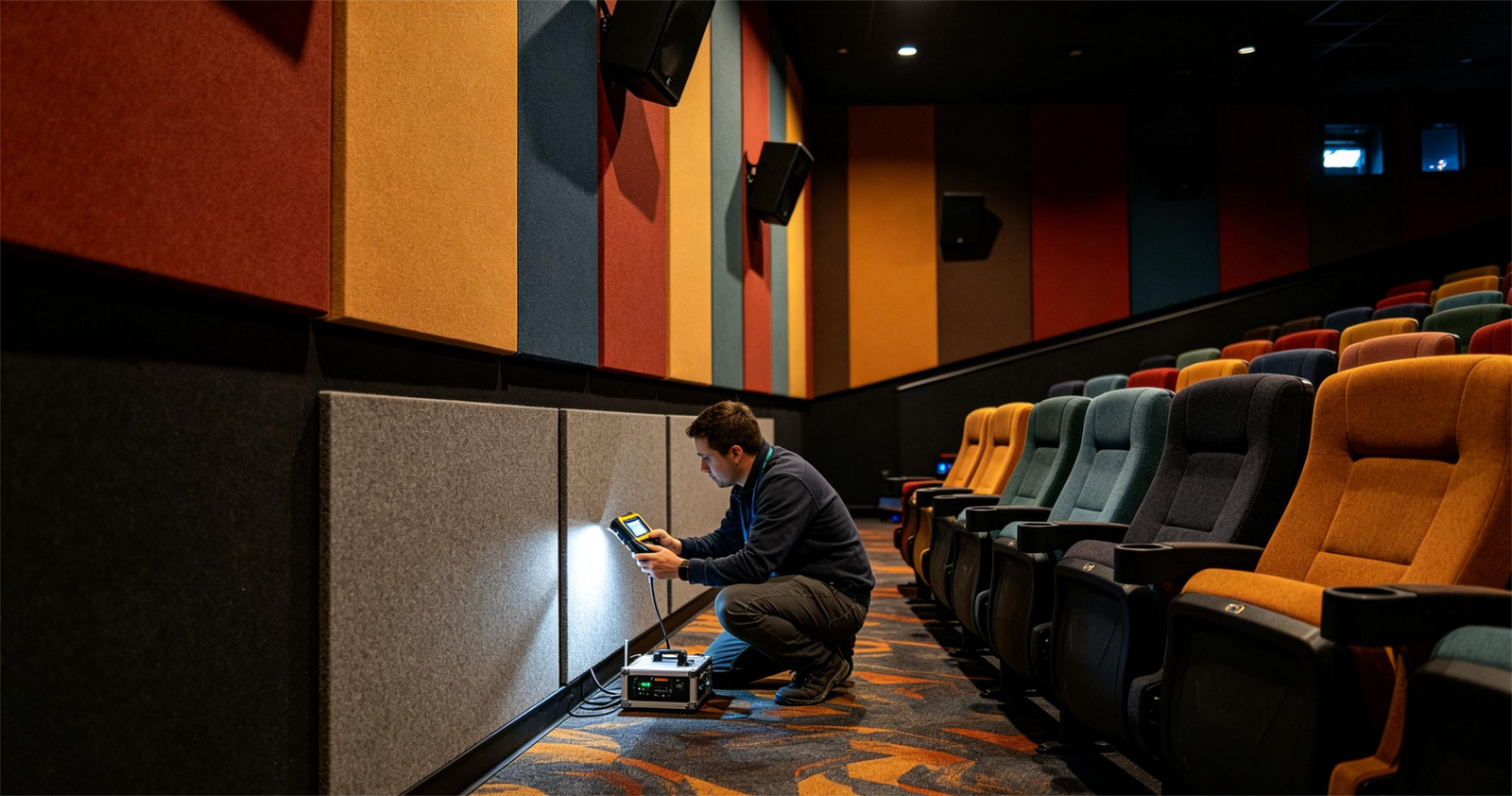

How Do Acoustic Panels Work? Professional Acoustic Principle Analysis
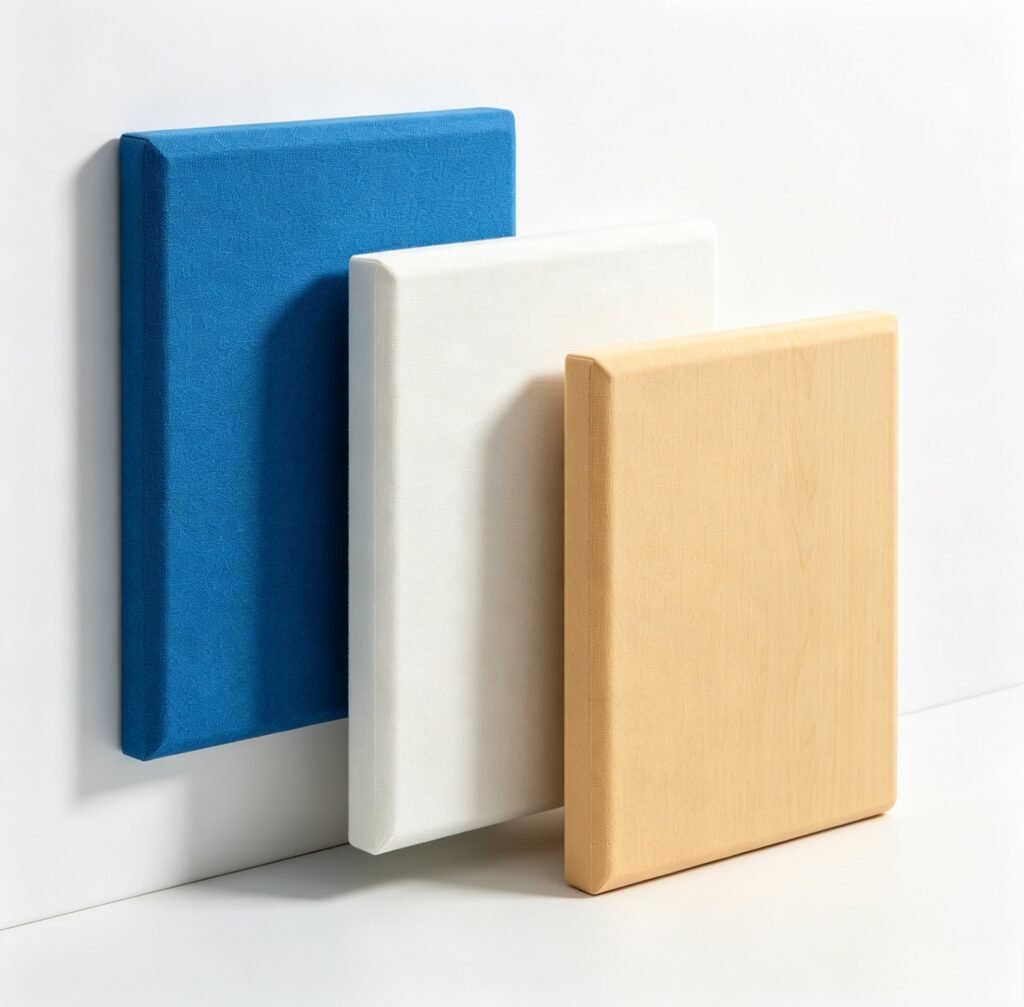
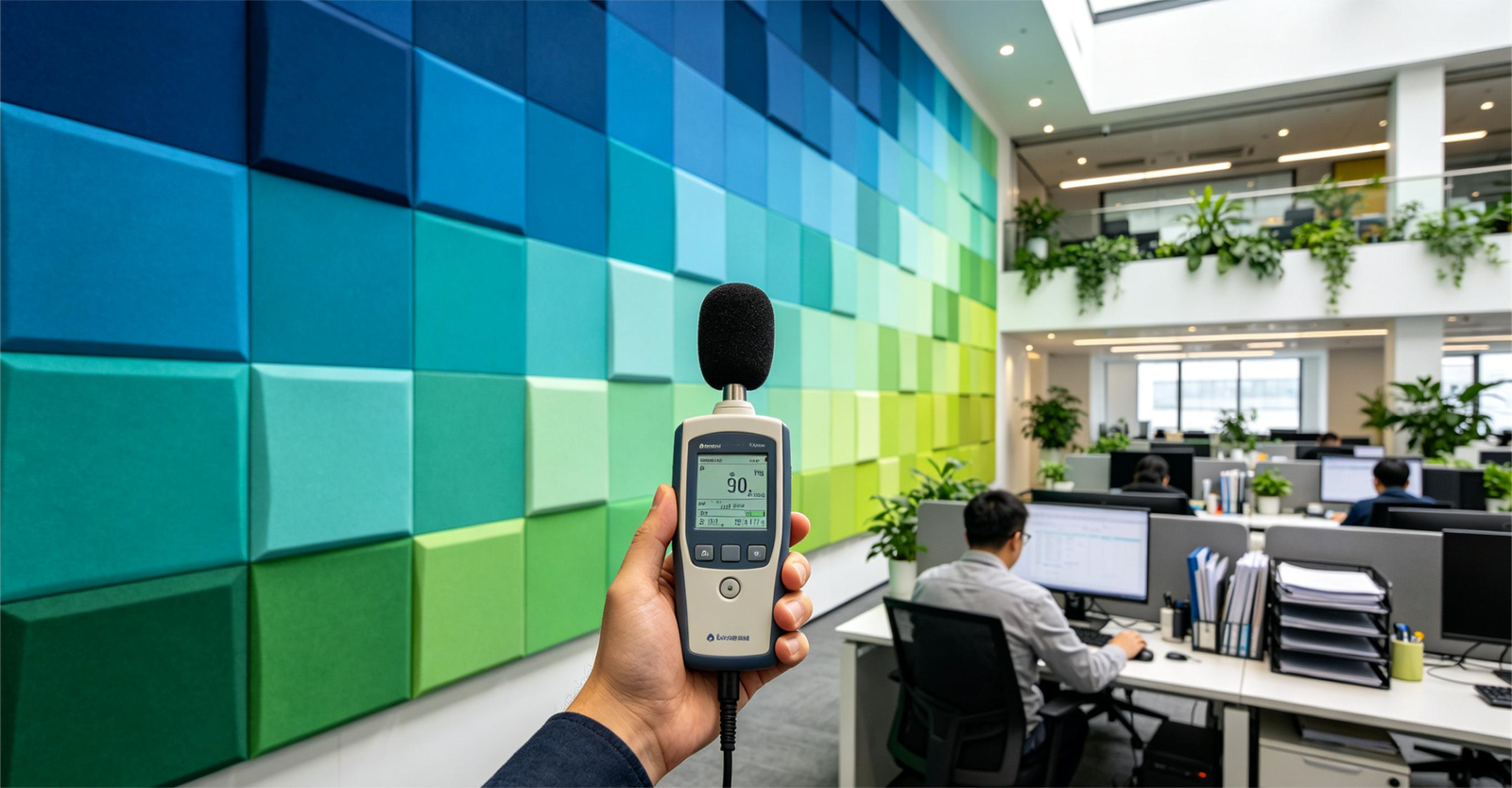
Acoustic panels are the most widely used passive acoustic treatment materials in commercial and interior spaces. Different from soundproofing materials that block sound transmission, acoustic panels focus onabsorbing residual sound energy indoors to eliminate reverberation, echo and noise superposition. Their working mechanism follows the basic physical principle of sound wave dissipation, effectively improving indoor acoustic clarity without blocking sound.
Core Working Mechanism
Sound travels in the form of mechanical wave vibration. When sound waves propagate in enclosed spaces and hit hard surfaces such as walls, glass and ceilings, most of the sound energy is reflected, forming repeated superposition of sound waves — namely reverberation, which is the main cause of noisy, blurred and harsh indoor sound.
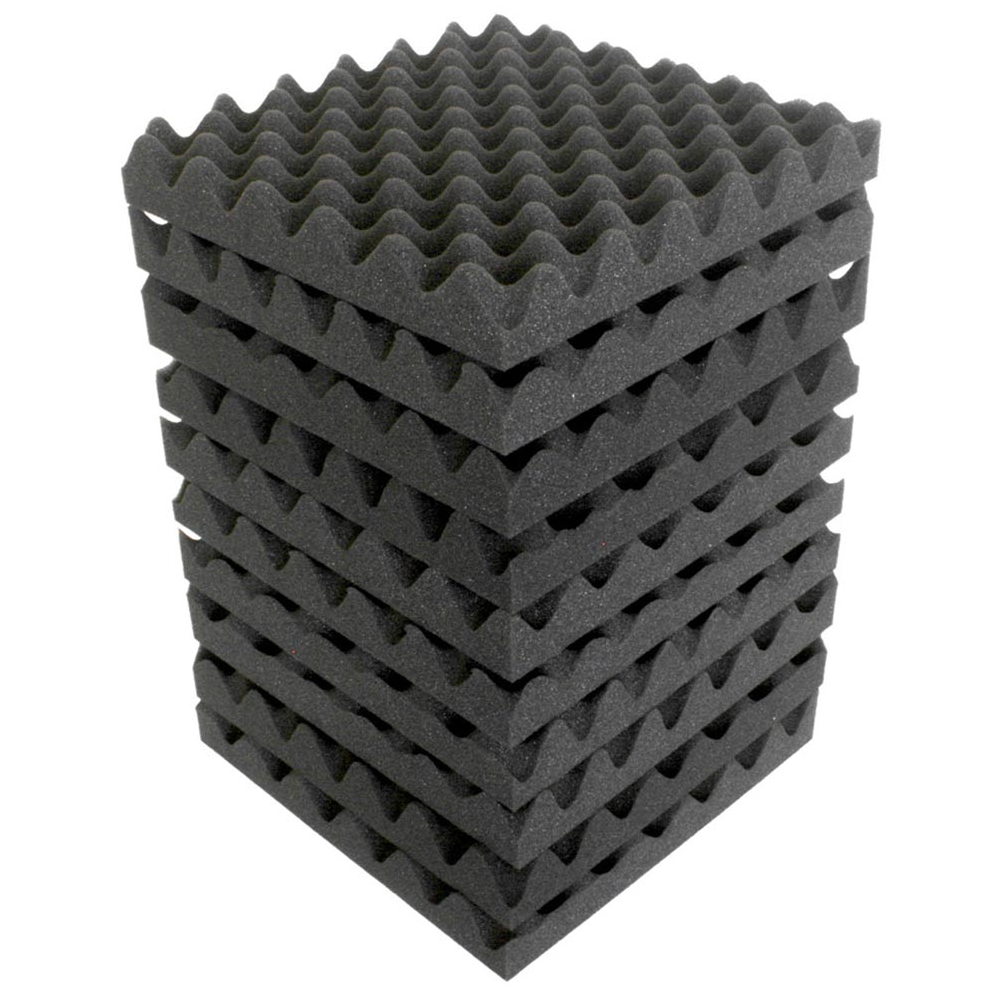
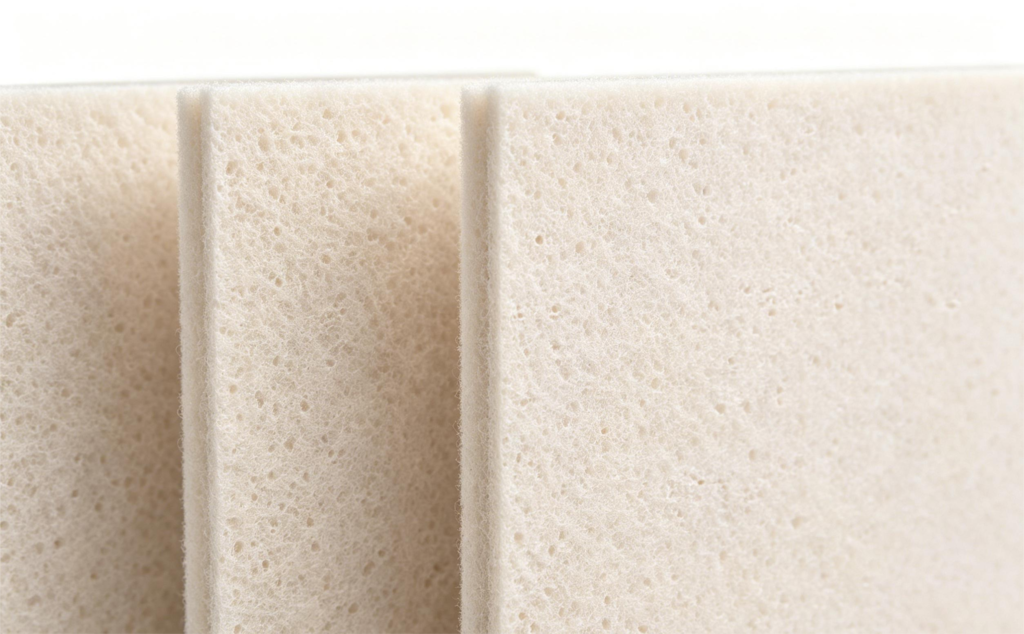
Acoustic panels are made of open-pore porous fibrous materials (PET, fiberglass, polyester). When sound waves penetrate the panel’s porous internal structure, the dense micro-pores and fibrous gaps convert sound wave kinetic energy into thermal energy through air friction and molecular vibration. This process consumes most of the incident sound energy, greatly reducing sound reflection intensity.
Frequency Adaptation Characteristics
Conventional acoustic panels excel at absorbingmid and high-frequency noise (500Hz–4000Hz), including human conversation, keyboard typing, equipment operating noise and indoor reverberation. For low-frequency noise (below 500Hz) with long wavelengths and strong penetration, specialized thickened acoustic panels or cavity-back suspended panels are required to extend the sound wave propagation path and achieve effective low-frequency absorption.
Key Performance Index: NRC
The Noise Reduction Coefficient (NRC) defines the absorption efficiency of acoustic panels, ranging from 0 to 1. An NRC value of 0 means full sound reflection, while 1 means full sound absorption. High-quality commercial acoustic panels reach NRC 0.75–0.95, which can absorb more than 75% of indoor reflected noise, effectively shorten RT60 reverberation time, and significantly improve speech intelligibility and spatial acoustic comfort.
Conclusion
Acoustic panels do not eliminate noise sources nor block sound transmission. Their core function is to suppress indoor sound reflection and dissipate redundant sound energy. As the core part of interior acoustic optimization, they solve the acoustic problems of reverberation and echo, creating a clear, quiet and high-quality sound field for offices, conference rooms and public spaces.
If you have more question, please feel free to contact with us, Thank You !
Whatsapp/WeChat: +86-13924816467/18819285749
Email: rdsugkf@gmail.com
Company Address: No. 122-1, Guangshao Road, Longtan Jubao Industrial Park, Conghua District, Guangzhou City
how can we help you
You can contact us any way that is convenient for you.
whatsapp:+86-17322789466
email: gsacousticss@gmail.com
New Products